Family Dentist in Auburn, ME
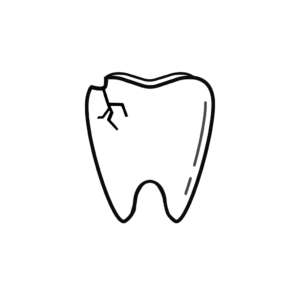 It usually starts pretty innocently. You’re biting into your favorite hard candy and suddenly you realize that there’s one little hard piece in your mouth you can’t seem to dissolve. You check it out and fear overcomes you when you see it’s a little chipped piece of a tooth.
Enamel may be one of the hardest substances in the body but like most things in life, it has its limit. Whether you are chewing on ice or grinding your teeth at night, there’s always a chance of putting your teeth at risk. If you have chipped your tooth, there’s no need to panic. Here are a few things we can do to restore your beautiful smile:
Tooth Bonding
Tooth bonding has many structural uses, and it can be very helpful for repairing chipped teeth. Tooth bonding is a simple procedure that doesn’t require any numbing. The bonding materials and porcelain used are natural in color and can be designed to perfectly match your teeth. Your smile will look good as new, and people will have a hard time noticing you ever chipped a tooth to begin with.
Dental Crown
A dental crown is a tooth-shaped cap that helps protect your teeth, while at the same time improving its appearance. An AACD (American Academy of Cosmetic Dentistry) dentist will likely use a tooth colored crown made out of porcelain or zirconia to look identical to your teeth. Crowns will also provide the durability and strength your teeth need to withstand daily use. You may only need a partial crown if our dentist sees that the chip doesn’t affect the entire tooth.
Porcelain Veneers
Porcelain laminate veneers are made up of several thin layers of ceramic used to repair chipped teeth. They will be bonded to the teeth to replace the original enamel of the tooth with a special adhesive. Dental veneers are a fantastic way to get your tooth to look whole and healthy again.
If you have a chipped tooth and would like more information on these methods, or to schedule a consultation, contact our office today.
 For seniors, it is imperative that gum health is a top priority. As you age, your risk of developing periodontal (gum) disease increases. Periodontal disease is both preventable, and in many cases, reversible. When left untreated, it can lead to more serious complications such as bloody or swollen gums, and even tooth loss. Even more alarming are the numerous studies connecting periodontal disease to other serious illnesses. Here’s what you need to know about gum health as you age.
 When you are traveling, it can be challenging to keep up with your usual daily routine. For many people, this can include having difficulty finding the time to properly brush and floss. Whether you are traveling for business or pleasure, we have gathered a few helpful tips to help you stay on track with your oral health while you are away from home.
 We often have visitors to our office ask about solutions for fixing stained teeth or filling in gaps between teeth. We sometimes suggest veneers. Veneers are one cosmetic option available for correcting your smile. Here’s what you should know about veneers, and whether they are right for you and your smile.
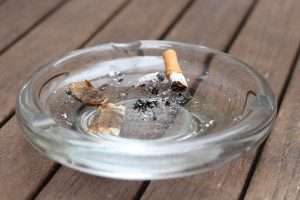 Chewing and smoking tobacco are known to cause severe health problems, particularly in the lungs. But the risks to your mouth and teeth can be just as extensive and alarming. If you use tobacco, stop. Here’s what tobacco can do to your oral health.
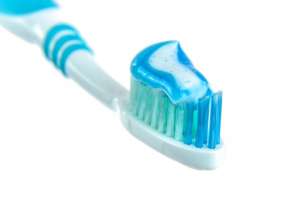 Painful, infected teeth are not a pleasant experience, but they are common symptoms of tooth decay. The good news however is that tooth decay is preventable. Your best defense against decay is a daily oral hygiene routine, as well as regular visits to our office. It can be helpful to know more about tooth decay and what causes it so that you are better equipped with the knowledge to prevent it.
 Taking care of your dentures can seem like an added chore. Don’t worry, with a little effort your dentures can stay clean. Here are 5 tips for keeping your dentures clean and your smile healthy.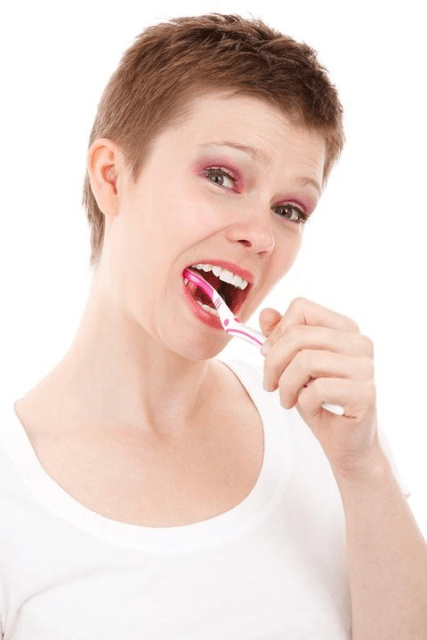
 Occasionally you might find yourself in a situation where you won’t be able to brush your teeth, perhaps through a lack of time or your location. Though it is vital to brush twice each day, here are a few steps you can take if you find yourself in a bind.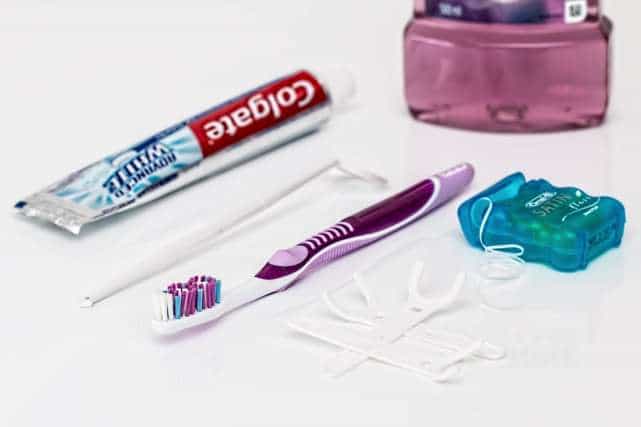
 Even a healthy mouth is lined with bacteria. Normally, your daily oral hygiene routine helps prevent oral health complications. However, it is possible to develop an excess of bacteria and fungi, which can leading to additional problems. Here’s what you should know about oral thrush and what you can do to prevent it.
 Before, during, and after cancer treatment it is necessary to keep up with your oral health routine. Cancer and cancer treatments can impact your mouth, so talk to our dentist about your specific treatment and what you can do to keep up with your oral health. Here are a few points to consider.