
Dentist Auburn, ME
 When a tooth is extracted, your blood cells clot over the site of the tooth to protect your bone, nerves, and tissue. However, some patients experience dry sockets, a condition where blood clotting does not occur. Here’s what you need to know about dry sockets after tooth extraction.
What are Dry Sockets?
Dry sockets are the result of your blood failing to clot, or when an existing clot is removed. They leave the area previously protected by your tooth exposed, which includes bone and nerves. Symptoms often include significant pain and discomfort where your tooth was extracted. Pain often lasts beyond the first three days following your procedure. Further symptoms can include having a bad taste in your mouth, pain on the same side of your face as the extracted tooth site, and visible bone where the tooth was removed.
Who Is At Risk for Developing Dry Sockets?
In most cases of extraction, your mouth will heal normally. Dry sockets have been noted to occur at a higher rate in individuals who smoke, chew tobacco, practice poor oral hygiene methods, or suffer from an infection impacting the gums or teeth. Additionally, it is important that you follow all directions provided to you following extraction. Patients who fail to do so, and choose to do things such as drinking with a straw after treatment, have a higher risk for developing a dry socket.
Treating Dry Sockets
If you experience a dry socket, contact our team for an appointment. It is essential to keep the area clean to prevent infection. Removing debris is the first step to keeping the site clean. Additionally, our team may provide you with pain medication suggestions as well as gauze or medicated dressings to protect the site. Avoid touching the area before coming in to our office.
The direct cause of dry sockets is not widely understood. However, it is a temporary condition that can be managed and treated by taking the proper precautions.
If you develop a dry socket following the extraction of a tooth, please contact our team. We will do our best to see you as soon as possible to ensure your mouth is able to heal properly.
227 Mount Auburn Ave.
Auburn, ME, 04210
(207) 782-3971

 If the idea of biting into an ice cream sandwich makes you cringe, you may be one of the millions of people who suffer from sensitive teeth. This is often caused by movement of fluid in the dentin – the soft inner tissue beneath the enamel of your tooth. This motion irritates the tooth nerve, creating a tingling sensation and sometimes pain.
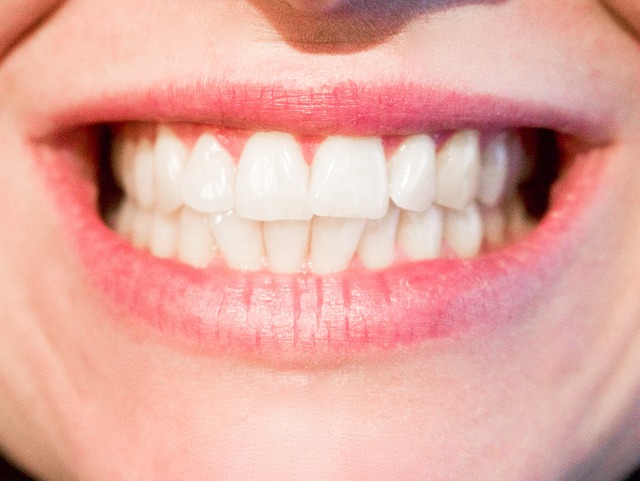
 Teeth grinding, known as bruxism, is a habit many get into without even realizing it. Grinding your teeth can be damaging for several reasons. If you or your child have been struggling with teeth grinding, make an appointment to see us. We will assess the damage to the teeth, as well as assist you in addressing solutions. Here’s what you need to know about teeth grinding.

 Don’t wait until you’re in pain to see your dentist! Most people make time to clean out the house, car, garage, or closets at least twice a year. Why not include your oral health on your “to do” list?
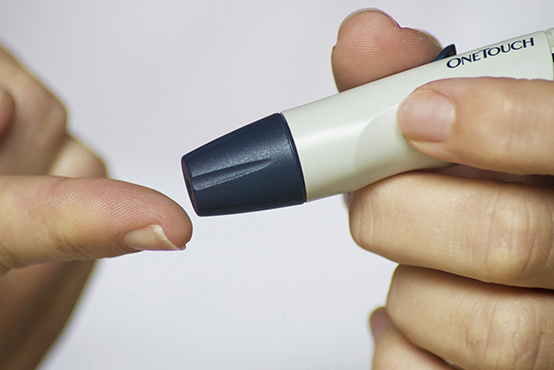
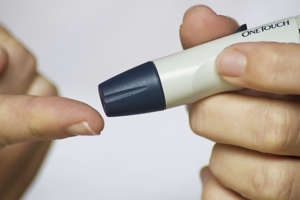 Did you know that 1 in 5 cases of total tooth loss is linked to diabetes? Diabetes affects your entire body including your mouth and teeth. Here are a few ways diabetes can impact your oral health:

 Nearly everyone has at least one habit that they wish they could break. Did you know that some of them can affect your oral health? Here are a few common habits and tips for how to break them.
 Sugary, sticky, and sweet candies can damage your teeth by increasing your risk of decay. Though gum can be considered a type of candy, chewing sugarless gum approved by the ADA can actually help protect teeth and prevent tooth decay. Here’s what you need to know about gum and your teeth.
 “Tooth worms” are the cause of tooth decay. That was the headline of a Sumerian text from around 5,000 B.C.E. Fortunately, the dental industry has evolved since then and we know “tooth worms” don’t exist. Here’s how dentistry has evolved into the comfortable, safe, and beneficial science of today.
 It usually starts pretty innocently. You’re biting into your favorite hard candy and suddenly you realize that there’s one little hard piece in your mouth you can’t seem to dissolve. You check it out and fear overcomes you when you see it’s a little chipped piece of a tooth.
 For seniors, it is imperative that gum health is a top priority. As you age, your risk of developing periodontal (gum) disease increases. Periodontal disease is both preventable, and in many cases, reversible. When left untreated, it can lead to more serious complications such as bloody or swollen gums, and even tooth loss. Even more alarming are the numerous studies connecting periodontal disease to other serious illnesses. Here’s what you need to know about gum health as you age.